
Iran Protests Grow as Rial Plunges
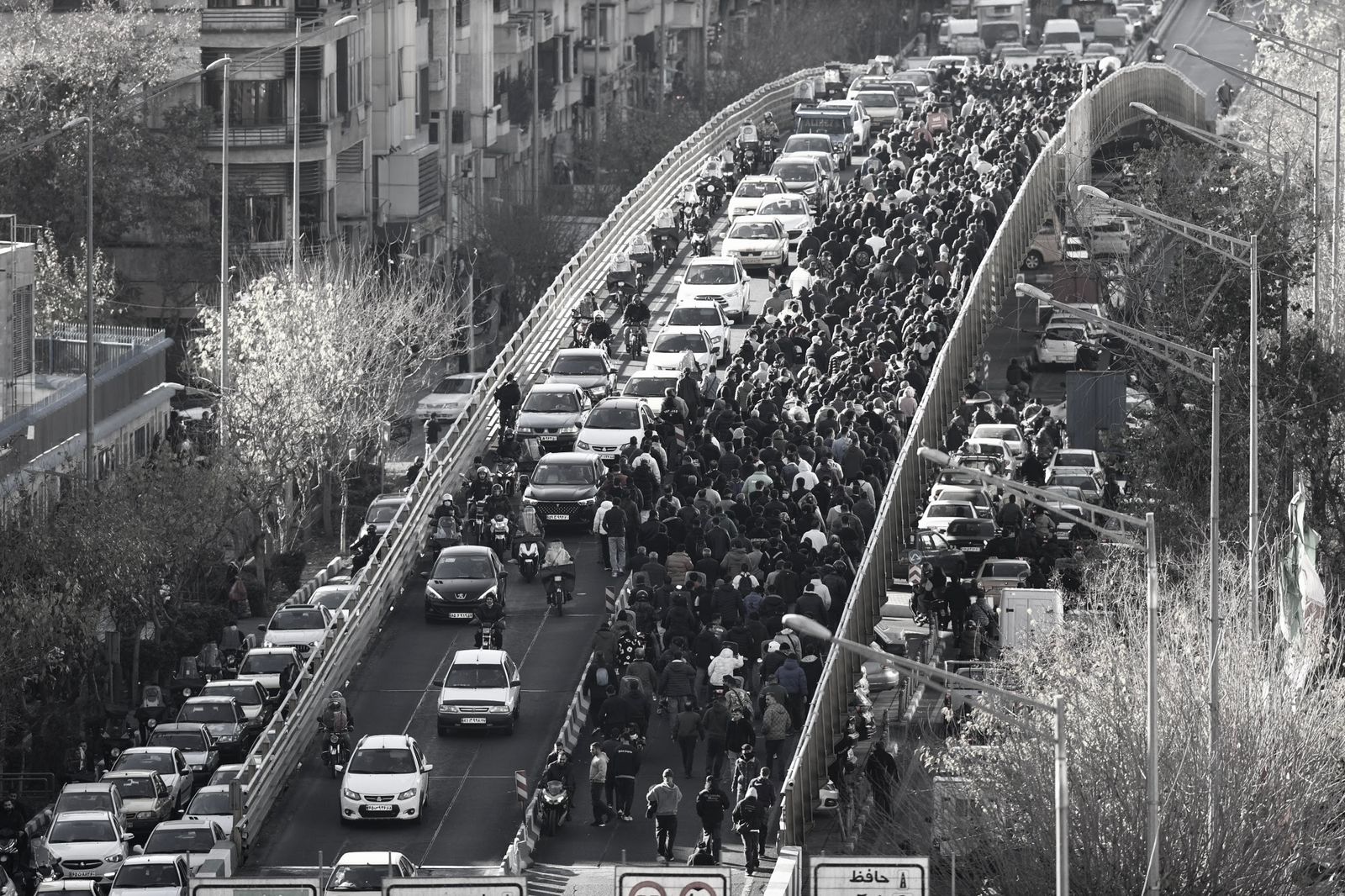
Iran’s Leaders Struggle to Contain Tenth Day of Protests as Currency Plunges
Iran’s leadership faces mounting challenges quelling protests that have entered a tenth consecutive day, driven by a deepening economic crisis and a sharp collapse in the value of the rial.
Demonstrations, which began in late December after the currency hit record lows, have spread to at least 27 of Iran’s 31 provinces, with merchants, workers and students taking to the streets in Tehran and other cities, according to human rights monitors. The Human Rights Activists News Agency reported at least 36 people have been killed and more than 2,000 arrested during clashes with security forces.
The government has attempted a range of responses — from modest cash handouts and promises of increased subsidies to tear gas and heavy crackdowns — but none have succeeded in calming public anger. Analysts say partial economic measures are unlikely to satisfy protesters who have lost confidence in the Islamic Republic’s ability to tackle inflation and systemic mismanagement, especially amid ongoing U.S. pressure.
Iran’s political structure, a blend of elected officials and overarching theological authority vested in Supreme Leader Ayatollah Ali Khamenei, has long been brittle in the face of sustained social unrest. The protests have taken on broader political tones, with chants against clerical rule amplifying frustration beyond purely economic grievances.
International dynamics are also casting a shadow over Tehran’s response. Officials must navigate the unrest under the specter of potential U.S. intervention after President Donald Trump warned that Washington could support protesters should security forces violently suppress peaceful demonstrations. Tehran has repeatedly accused foreign powers of fomenting unrest, while rights groups warn that the death toll and number of detentions could rise without a clear political solution.
Without an apparent path to bridge the divide between the state and its citizens, analysts say the unrest could deepen, underscoring the twin pressures of a collapsing currency and widespread public discontent in the Islamic Republic.
Recommended Article
-
Climate Pressure Hits Banks
-
Trump Rattles Wind Industry
-
China breaks the Davos hush on climate
-
Trump’s latest blow to climate
-
Iran Protests Grow as Rial Plunges
-
EV Boom Slows as Subsidies Fade
-
‘Untouchable’ no longer
-
Blockbuster year
-
Another log on the fire
-
Hybrids pick up speed
-
It’s not all bad news
-
Under New Ownership
-
New front in the war on wind
-
Blown away
-
What the end of the F-150 means